

Today, we had the opportunity to speak with Riad Daloussi, a Canadian entrepreneur who believes that “Machinery Supply and Real Estate need Trust and Strategy to Grow.” He has years of experience helping clients find the right equipment and plan successful property projects. For him, trust and a solid plan are the two pillars that drive any business forward.
In this interview, Riad Daloussi shared how honesty, clear planning, and understanding client needs contribute to building lasting success. He emphasized that growth comes from creating value, building strong partnerships, and focusing on long-term goals rather than quick wins.
Interviewer: Welcome Riad Daloussi, and thank you for joining us today. How are you feeling about this conversation?
Riad Daloussi: I am glad to be here and looking forward to sharing useful thoughts. Conversations like this are important because they help people learn about industries that shape our economy. Machinery and real estate are two areas that require careful planning, and I am happy to talk about them in a simple and clear way.
Interviewer: What is the first thing to keep in mind when entering the machinery business?
Riad Daloussi: The first step is understanding what people need. You must know which type of machinery is in demand and why. Research the market and focus on quality products that solve real problems. Without understanding the needs of farmers or builders, it is easy to make wrong decisions. Start small, learn from customers, and always choose reliable equipment suppliers.
Interviewer: How can someone build trust in the machinery supply market?
Riad Daloussi: Trust comes from being honest, delivering on promises, and providing good service. When customers know they can depend on you for quality products and fair prices, they will return. Being transparent about the machine’s condition, costs, and benefits is key. Building relationships with suppliers and clients is also important because people prefer doing business with someone they trust.
Interviewer: Why is strategy important in real estate projects?
Riad Daloussi: Real estate is all about long-term planning. A clear strategy helps you choose the right location, design, and timing for each project. Without a plan, it’s easy to face delays or lose money. A strong strategy also means understanding the market demand, future growth, and local rules. The better your strategy, the smoother your project will go.
Interviewer: What are some challenges in the machinery supply industry?
Riad Daloussi: One major challenge is the cost of equipment, which can be high for many buyers. Another challenge is finding reliable suppliers and ensuring quality. There can also be delays in shipping or issues with spare parts. To handle these challenges, you need good planning, strong networks, and a focus on after-sales support to keep customers happy.
Also Read: Kirsten Poon Says “Edmonton Businesses Should Focus on Practical AI Uses”
Interviewer: What makes machinery supply different from other businesses?
Riad Daloussi: Machinery supply is unique because the products are large, expensive, and highly technical. You must know how the machines work and what features customers really need. It’s not just about selling but also guiding customers to choose the right machine. Providing training, maintenance tips, and reliable service sets this business apart from simpler product markets.
Interviewer: How does location matter in real estate?
Riad Daloussi: Location is one of the most important factors in real estate. A property in the right area will always hold value and attract buyers. You should look for places near schools, markets, and transport. Good infrastructure and future growth plans also increase property value. A well-chosen location makes a project more successful with less risk.
Interviewer: What is the role of quality in machinery supply?
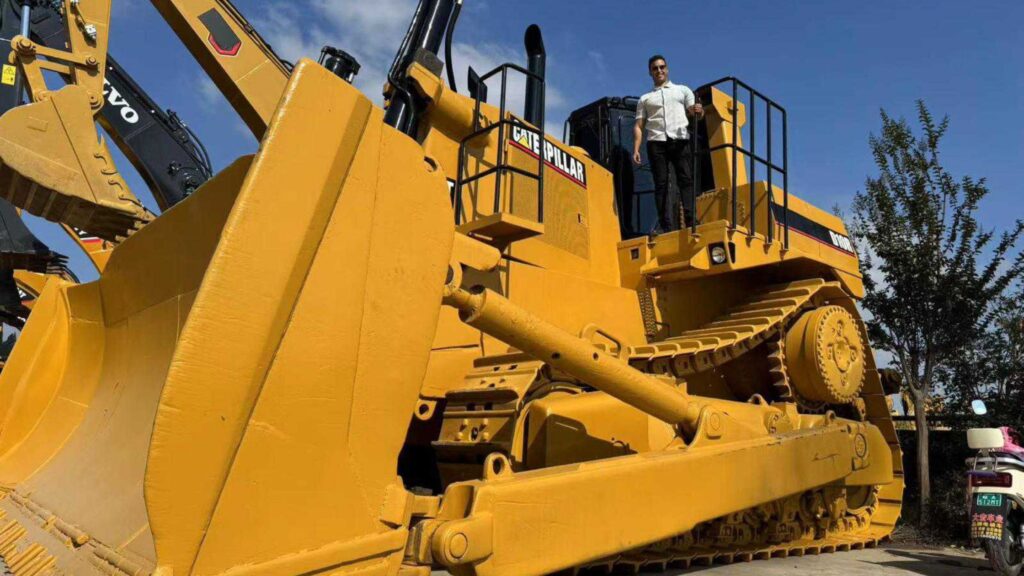
Riad Daloussi: Quality decides how long the machine will last and how well it will perform. Customers always want equipment that works without problems. Selling cheap machines that break down often will harm your reputation. It’s better to provide trusted brands and ensure every machine is checked before delivery. Quality builds trust and creates repeat buyers.
Interviewer: How can small businesses grow in real estate?
Riad Daloussi: Small businesses can start by focusing on small projects like single homes or small plots. Partnering with experienced developers can also help. It’s important to understand the local market and budget carefully. Even small projects can bring good profits if planned well. Over time, success in smaller deals helps you gain trust and grow bigger.
Interviewer: How do trust and strategy work together in business?
Riad Daloussi: Trust makes customers return, while strategy guides the path to growth. Without trust, even the best strategy will fail because customers will not believe in your products. Without strategy, trust alone cannot build a strong business. Both must work together – trust builds loyalty, and strategy keeps the business moving forward.
Interviewer: What trends do you see in the machinery industry?
Riad Daloussi: Technology is changing machinery fast. Modern machines are smarter, safer, and more fuel-efficient. Many customers now want equipment that reduces costs and is easy to maintain. Online sales and digital tools are also becoming common in this industry. Businesses that adapt to these trends will stay ahead of others.
Interviewer: How can someone choose the right machinery for their work?
Riad Daloussi: Start by understanding what job the machine needs to do. Size, power, and features matter depending on the work. Ask the seller about the machine’s performance, spare parts, and warranty. Always test the machine before buying if possible. Spending a little more on the right machine saves money in repairs and downtime.
Interviewer: What skills are useful in real estate?
Riad Daloussi: Good communication and research skills are very important. You must be able to talk with buyers, builders, and officials. Negotiation is also key to getting good deals. Knowing how to check documents and understand local laws helps avoid problems. Lastly, patience and planning make a big difference in real estate success.
Interviewer: How can a business handle risks in machinery supply?
Riad Daloussi: Risks like delays or faulty products can hurt a business. To handle them, work with trusted suppliers and have clear agreements. Keep some backup stock and build strong customer service to fix issues quickly. Insurance can also help with big risks like damage during transport. Being prepared is the best way to manage risks.
Interviewer: How important is customer service in these industries?
Riad Daloussi: Customer service is very important because it builds loyalty. When a customer gets quick answers, help with problems, or extra tips, they feel valued. In machinery and real estate, customers often have big investments, so they expect strong support. Good service can lead to more sales through referrals and repeat customers.
Interviewer: What role does planning play in real estate development?
Riad Daloussi: Planning is everything in real estate. You need to plan the budget, design, and timeline for each project. Without a clear plan, costs can rise, and deadlines can be missed. Planning also helps you prepare for challenges like material shortages or market changes. A strong plan reduces risks and improves profit.
Interviewer: What is the future of real estate?
Riad Daloussi: Real estate will continue to grow as cities expand. People want modern, well-planned spaces for living and business. Green buildings and energy-efficient designs are becoming popular. Technology like smart homes is also shaping the future. Developers who plan for these trends will do well in the coming years.
Interviewer: Thank you for sharing these insights with us. Any final words for our readers?
Riad Daloussi: Thank you for having me. My advice is simple: focus on quality, honesty, and good planning. Whether it’s machinery or real estate, success comes when you build trust and follow a clear strategy. Learn from your experiences, stay open to new ideas, and always aim to create value for customers and communities.