
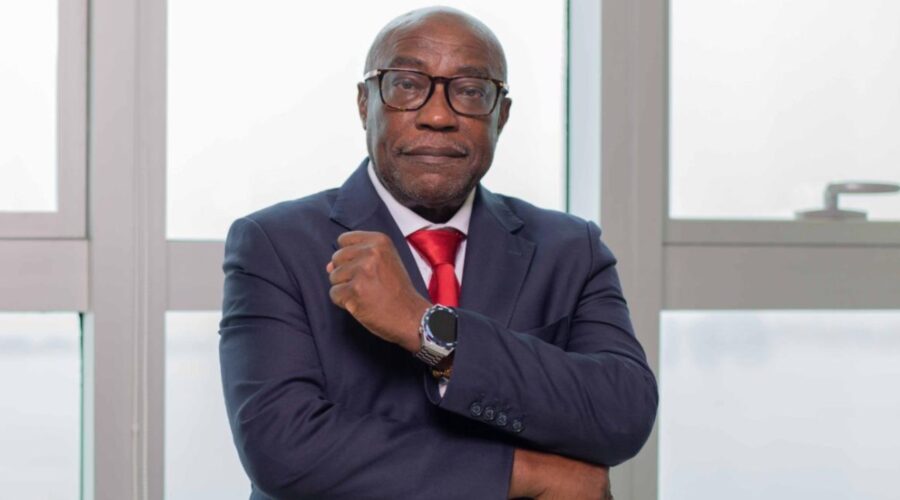
Pedro Sebastião Teta is known for his perspectives on technology, education, and sustainable development in an increasingly digital world. Dr. Pedro Sebastião Teta previously held the position of Vice Minister for Science and Technology. Originally from Nzeto, Angola, he completed his higher education at the Polytechnic University of Bucharest, earning bachelor’s, master’s, and doctoral qualifications in Computer and Control Engineering.
With a strong academic foundation in Computer and Control Engineering and extensive experience in science and technology initiatives, he has consistently highlighted the need for forward-thinking strategies that can help societies adapt to change and seize new opportunities.
Interviewer: How do you define innovation in today’s world?
Pedro Sebastião Teta: Innovation is often associated with breakthrough technologies, but I believe its meaning is much broader. Innovation is the process of finding better ways to solve problems, improve systems, and create value for people and organizations. It involves creativity, adaptability, and a willingness to challenge traditional approaches. In today’s environment, change occurs at an unprecedented pace. New technologies emerge rapidly, industries evolve, and societal expectations continue to shift.
Under these circumstances, innovation becomes an essential capability rather than an optional advantage. It allows institutions, businesses, and communities to remain relevant while responding effectively to new challenges. Most importantly, innovation is not limited to laboratories or technology companies. It can occur in education, healthcare, government, agriculture, and countless other sectors. Any effort that produces meaningful improvement can be considered an act of innovation.

Interviewer: Why do you believe innovation is a major driver of future progress?
Pedro Sebastião Teta: Progress has always been connected to humanity’s ability to think differently and develop new solutions. Throughout history, advancements in science, engineering, communication, and industry have transformed societies and improved living standards. Today, innovation remains one of the strongest forces behind economic growth and social development.
It creates opportunities for new industries, improves productivity, and helps organizations adapt to changing conditions. Countries that invest in research, education, and technological development often build stronger foundations for future success. Innovation also supports resilience. Whether facing economic uncertainty, environmental challenges, or rapid technological disruption, societies that encourage innovative thinking are often better equipped to respond effectively. They can identify opportunities where others see obstacles and develop solutions that create lasting value.
Read More: https://true-interview.com/alcide-honore-says-tracking-work-right-leads-to-steady-growth/
Interviewer: What role does education play in fostering innovation?
Pedro Sebastião Teta: Education is one of the most important foundations for innovation. Before individuals can create new solutions, they must first develop the skills and knowledge needed to understand complex problems. Modern education should go beyond memorization and standardized instruction. Students need opportunities to develop critical thinking, creativity, communication skills, and adaptability. These abilities enable them to analyze situations from different perspectives and generate original ideas.
Another important aspect is lifelong learning. Technological advancement continues to reshape industries and professions. As a result, learning cannot end with formal education. Individuals must remain curious and willing to acquire new skills throughout their careers. Educational institutions also have an important role in encouraging research and experimentation. When learners are empowered to explore, question, and innovate, they become active contributors to progress rather than passive recipients of information.

Interviewer: How do you view the relationship between technology and innovation?
Pedro Sebastião Teta: Technology is undoubtedly one of the most visible outcomes of innovation, but it should not be confused with innovation itself. Technology is a tool, while innovation is the process that determines how that tool is applied. Digital technologies have transformed nearly every aspect of modern life. Artificial intelligence, advanced analytics, cloud computing, automation, and connectivity have opened possibilities that were unimaginable only a few decades ago.
However, the true measure of success is not the sophistication of a technology but the value it creates. When technology helps improve healthcare access, expand educational opportunities, strengthen public services, or increase economic productivity, it becomes a powerful instrument for progress. The focus should always remain on solving real problems and delivering meaningful benefits to people. Responsible implementation is equally important. New technologies must be introduced with careful consideration of ethics, privacy, security, and long-term societal impact.
Interviewer: Pedro Sebastião Teta, how can innovation contribute to economic development?
Pedro Sebastião Teta: Innovation is closely linked to economic competitiveness and sustainable growth. Businesses that invest in research and development are often better positioned to improve products, enhance services, and respond to evolving market demands. Entrepreneurship also plays a critical role. Entrepreneurs frequently identify gaps in the market and develop creative solutions to address them. Their efforts generate employment opportunities, attract investment, and stimulate broader economic activity. At a national level, supportive innovation ecosystems are essential.
Governments, academic institutions, private organizations, and research centers each have a role to play in creating environments where ideas can flourish. Access to funding, mentorship, infrastructure, and skilled talent helps transform promising concepts into practical applications. Economic growth becomes more sustainable when it is supported by innovation because innovation creates value through knowledge rather than relying solely on traditional resources.
Interviewer: Why is collaboration important for innovation?
Pedro Sebastião Teta: Few meaningful innovations emerge in complete isolation. Many of the most impactful development results from cooperation among individuals and organizations with different experiences and areas of expertise. Collaboration encourages the exchange of ideas and accelerates problem-solving. Researchers, educators, entrepreneurs, policymakers, and industry leaders each bring unique perspectives that can contribute to better outcomes.
When institutions work together, they can combine resources, reduce duplication of effort, and address challenges more effectively. Collaboration also helps create stronger innovation ecosystems where knowledge flows more freely and opportunities for growth are expanded. In an increasingly interconnected world, partnerships are becoming more important than ever. Complex global challenges require collective action and shared responsibility.
Interviewer: What is your vision for the future?
Pedro Sebastião Teta: I believe the future will belong to societies that embrace learning, creativity, and innovation. Technological advancement will continue to transform industries and influence how people live and work. However, success will depend not only on adopting new technologies but also on using them responsibly and inclusively. Future progress should be guided by a commitment to improving quality of life, expanding opportunities, and promoting sustainable development.
Innovation must serve people and contribute to solutions that address real needs. By investing in education, encouraging research, supporting entrepreneurship, and fostering collaboration, societies can build a future that is both prosperous and resilient. Innovation will remain a driving force behind that journey, helping individuals and institutions navigate change while creating opportunities for generations to come.