
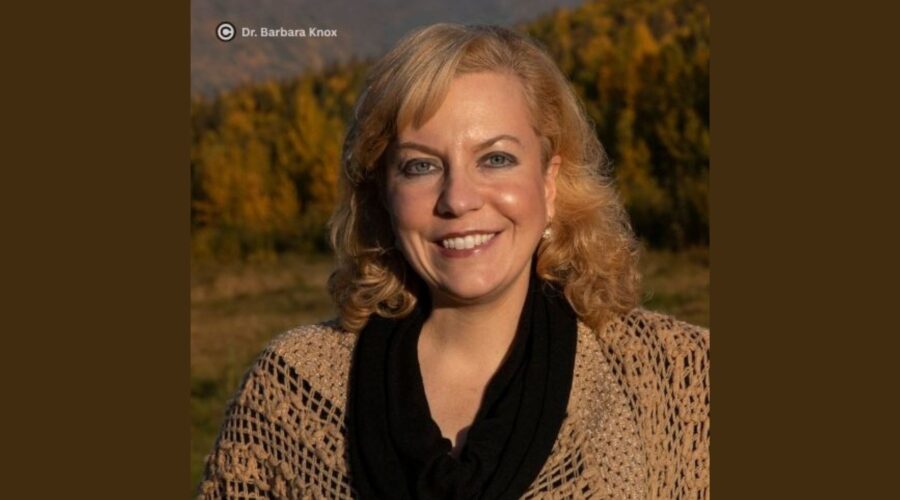
Today, we spoke with Dr. Barbara Knox, a leading child abuse pediatrician and professor of pediatrics at the University of Florida. She has spent her career helping children who are hurt or abused and training doctors to identify and treat abuse cases. Barbara Knox MD believes that child safety is not just the job of parents, doctors, or teachers; it is the responsibility of the entire community.
In this interview, she talks about child abuse, how it affects children and families, and the important role that communities play in keeping children safe. Her words remind us that every person can help protect children by knowing the signs, speaking up, and supporting families so all children grow up safe, loved, and happy.
Interviewer: Dr. Barbara Knox, thank you for joining us today. You often say child abuse is not just a family issue but a community issue. Can you explain why?
Dr. Barbara Knox: Thank you for having me. Yes, child abuse is not only a problem for the child’s family. It affects the whole community. When a child is abused, they carry pain, fear, and trauma. This can affect their studies, their friendships, and their future. If many children in a community are abused or neglected, it can lead to problems like crime, poor education, and mental health issues later. That is why I say protecting children is the duty of the entire community.
Interviewer: What role can the community play in preventing child abuse?
Dr. Barbara Knox: There are many ways. First, people need to be aware of child abuse and its signs. If neighbors, teachers, friends, and relatives know what to look for, they can report it early. Second, communities can create safe places for children, like after-school programs, sports activities, or youth groups where children feel protected and supported. Third, we need to build strong families. Community centers can offer parenting classes, counselling, and support groups to help parents handle stress and care for their children better.
Interviewer: You spoke about knowing the signs. What are some common signs of child abuse?
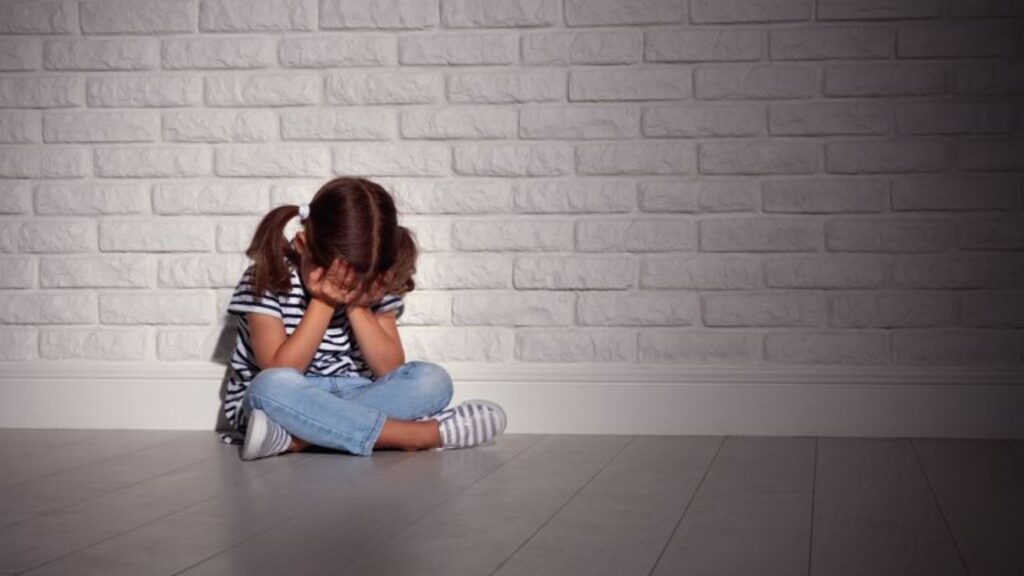
Dr. Barbara Knox: Common signs include unexplained bruises, burns, or injuries, especially if the child cannot say how they got hurt. Other signs are fearfulness, being very quiet or withdrawn, sudden changes in behavior, wearing clothes that cover injuries even in hot weather, and being hungry or not cared for properly. Emotional signs include being scared of going home, nightmares, or acting out aggressively. No single sign proves abuse, but if you notice these, it is important to report them.
Also Read: David Badaro Says “Real Consulting Happens Through Honest Conversations”
Interviewer: Some people worry about reporting because they might be wrong. What do you say to them?
Dr. Barbara Knox: I understand their worry, but it is always better to report than to stay silent. Reporting does not mean you are accusing someone. It means you are concerned about a child’s safety. Child protection workers and law enforcement will look into it and decide what is best. If there is no abuse, then no harm is done. But if there is abuse and no one reports it, the child remains in danger. Always remember, it is about the child’s safety.
Interviewer: How can schools help in keeping children safe?
Dr. Barbara Knox: Schools play a very important role. Teachers see children every day. They can notice changes in behavior, injuries, or signs of neglect. Schools can also teach children about safety, good touch and bad touch, and how to speak up if they feel unsafe. They can create a safe environment where children feel they can trust teachers and counselors with their problems.

Interviewer: What about religious groups or local organizations? Can they help too?
Dr. Barbara Knox: Yes, absolutely. Religious groups, local clubs, and community organizations often have close relationships with families. They can offer support to parents who are stressed or struggling. They can create programs to teach about positive parenting, discipline without violence, and child safety. They can also help spread awareness about child abuse in the community and encourage people to report if they see something wrong.
Interviewer: How can neighbours help?
Dr. Barbara Knox: Neighbours can watch out for children in their area. If they hear constant crying, shouting, or sounds of violence, they should not ignore it. If they see children with frequent injuries or looking very scared and withdrawn, they can check gently or report it. Simple acts, like being kind to children, talking to them, or offering help to parents who look stressed, can make a big difference.
Interviewer: You mentioned parenting classes. Why are these important?
Dr. Barbara Knox: Parenting is hard, and many parents do not have the knowledge or support they need. Parenting classes teach them how to handle stress, how to discipline without hurting, how to communicate with children, and how to care for their health and emotions. When parents feel supported and learn better skills, the risk of child abuse goes down.
Interviewer: How does your team work with the community to protect children?
Dr. Barbara Knox: My team works closely with schools, hospitals, law enforcement, social services, and community groups. When a child is brought to us, we do a detailed medical check to see if there are signs of abuse. Then we work with social workers to understand the family situation. If needed, law enforcement investigates. We also connect families to counselling and community resources to support them and prevent future harm.
Interviewer: What is the biggest challenge in getting communities involved in child protection?
Dr. Barbara Knox: One big challenge is lack of awareness. Some people think child abuse is rare or only happens in “bad families.” But abuse happens in all communities, rich or poor. Another challenge is fear of reporting. People feel it is “not their business” or worry about harming the family. We need to change this thinking and teach people that keeping children safe is everyone’s duty.
Interviewer: What would you say to someone who sees child abuse but is scared to report it?
Dr. Barbara Knox: I would say, think about the child. If you stay silent, the child continues to suffer. Your report could save their life and give them a chance for a better future. You do not need to prove anything. Just share what you see or hear, and professionals will take it from there.
Interviewer: Finally, what is your message to all communities today?
Dr. Barbara Knox: My message is simple. Child abuse hurts not just one child but the entire community. Every child deserves to feel safe, loved, and cared for. Watch out for the children around you, listen to them, support families, and speak up if you see abuse. Together, we can build a community where every child grows up healthy, happy, and safe.
Interviewer: Thank you, Dr. Barbara Knox, for your wisdom and for all the work you do to keep children safe.
Dr. Barbara Knox: Thank you for letting me share this message. I hope it inspires everyone to protect children, because their safety is truly our shared duty.