
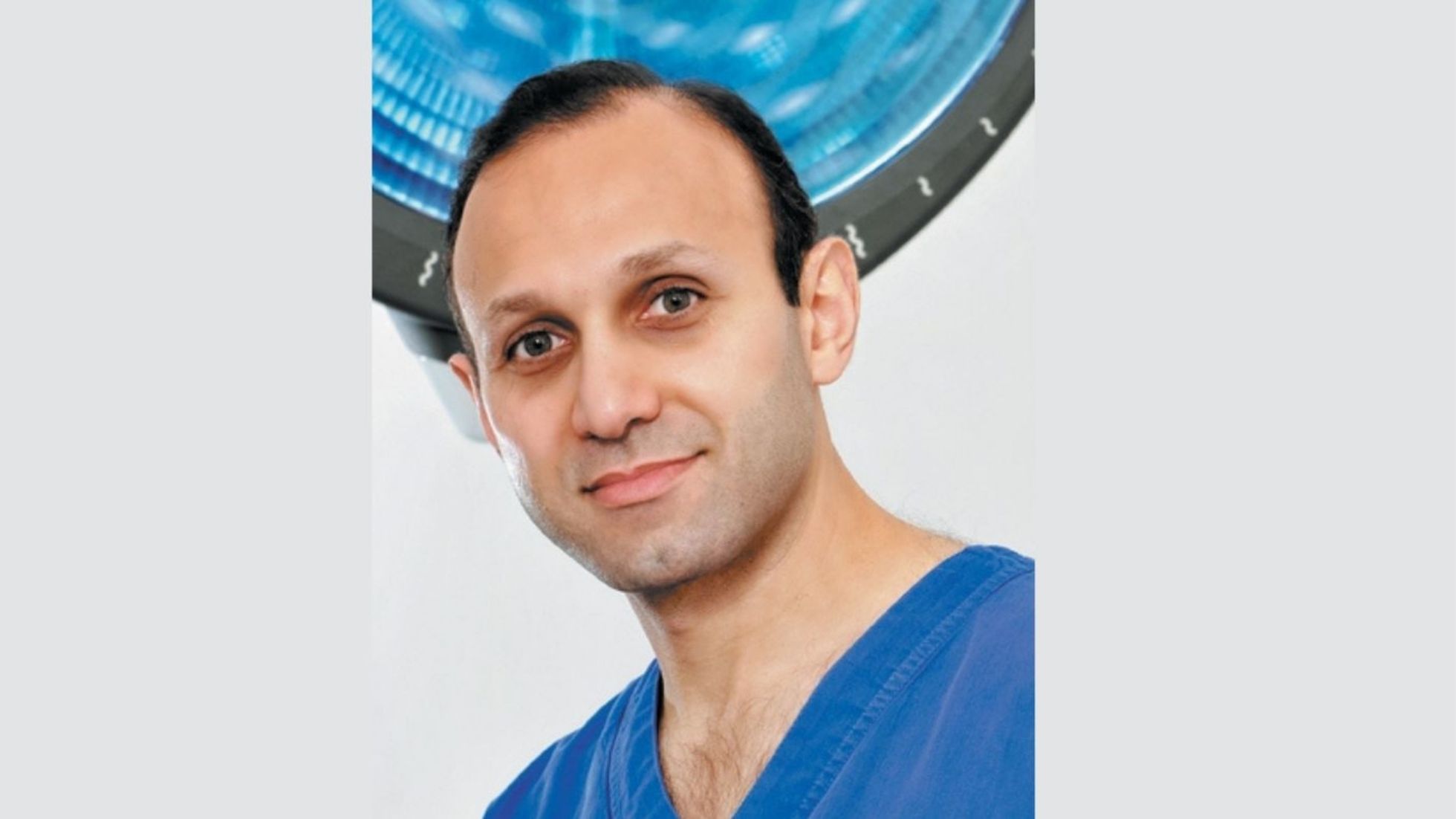
We spoke with Dr Laith Barnouti, a specialist plastic and reconstructive surgeon and founder of Sydney Plastic Surgery, about why patient safety must always guide cosmetic decision making. With more than 15 years of specialist experience across Australia and international training, Dr Barnouti is known for his careful approach, natural results, and strict safety standards. In this interview, he explains why cosmetic trends should never outweigh medical responsibility and how a safety first mindset leads to better outcomes and patient trust.
Interviewer: Today we are joined by Dr Laith Barnouti, a specialist plastic surgeon who places strong emphasis on patient safety. Thank you for taking the time to speak with us.
Dr Laith Barnouti: Thank you for having me. I appreciate the opportunity to discuss this topic because safety should always guide cosmetic care. Patients place a great deal of trust in their surgeon, and that trust must be respected through responsible decisions.
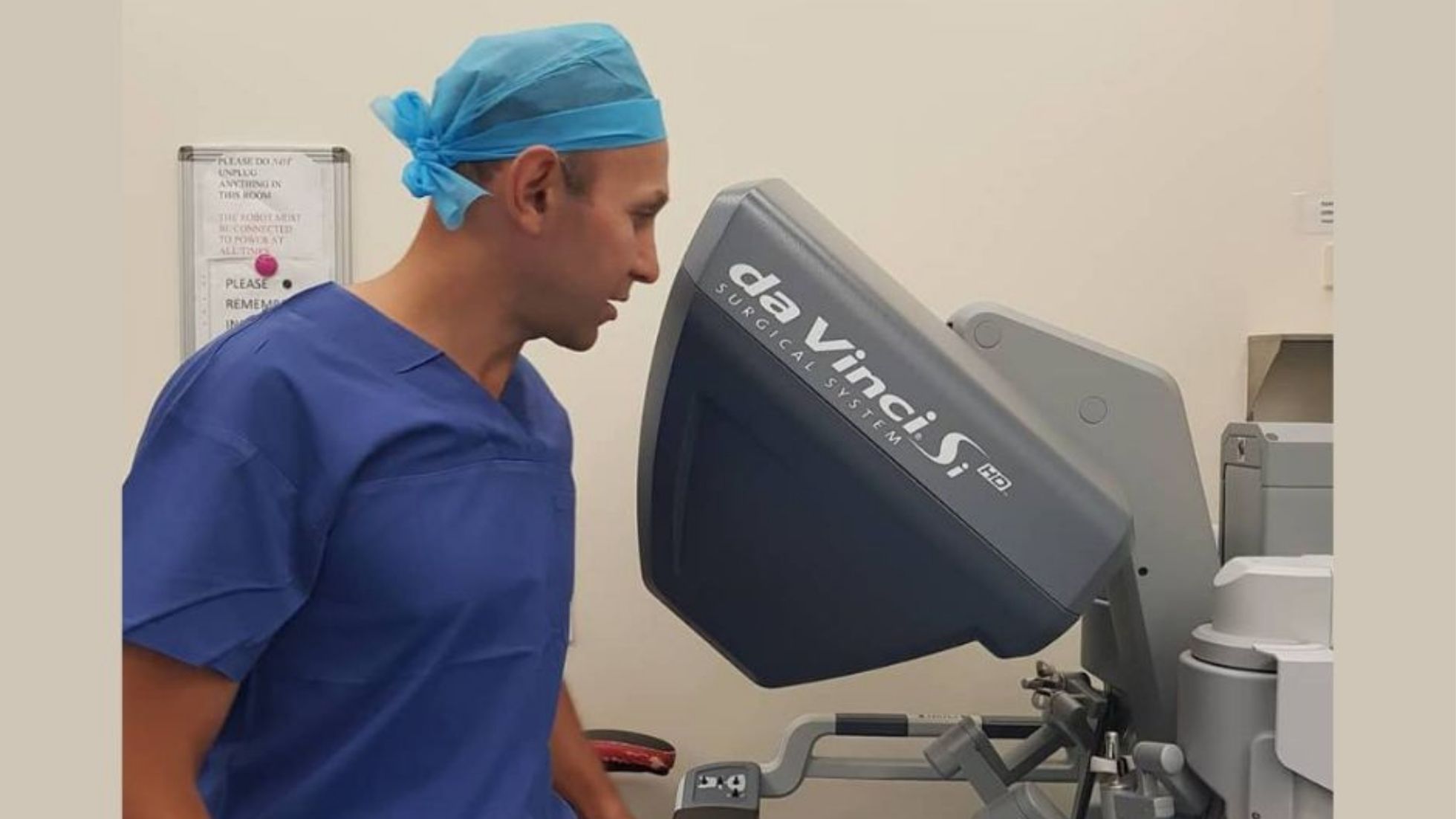
Interviewer: What does it mean to you when you say cosmetic trends should never compromise safety?
Dr Laith Barnouti: It means that a patient’s health must always come before popularity. Trends change quickly, but surgery has lasting effects on the body. Every procedure should be chosen based on medical assessment and long term impact, not what is popular online. If a request carries unnecessary risk or is not suitable for the individual, it should not be performed.
Interviewer: Why do cosmetic trends pose challenges in clinical practice?
Dr Barnouti: Many trends spread through social media without medical context. They often focus on appearance without discussing risk, recovery, or long term outcomes. Patients may feel pressure to act quickly or expect results that are not realistic. This creates a gap between expectation and what is safe. Part of my role is to close that gap through clear explanation.
Interviewer: How do you approach consultations when patients request trend driven procedures?
Dr Laith Barnouti: I start by listening carefully to understand what the patient hopes to achieve. Then I explain how their anatomy, health history, and lifestyle affect what is safe. I go through the procedure, recovery, and possible complications in clear terms. If a request is not appropriate, I explain why and suggest safer options that still address their goals.
Also Read: Interview with Mrs. 50 Cent about Her Musical Evolution
Interviewer: Do patients accept this guidance easily?
Dr Laith Barnouti: Some patients feel disappointed at first, especially if they arrive with a fixed idea. Once they understand the medical reasons and long term concerns, most feel reassured. Patients usually value honesty when they see it comes from concern for their wellbeing. Trust builds when they know decisions are made carefully.
Interviewer: How do you balance patient choice with medical responsibility?
Dr Laith Barnouti: Patient choice matters, but it does not override safety. My responsibility is to protect patients from harm. If a request is unsafe, I cannot agree to it. Instead, I offer alternatives that respect both their wishes and their health. This approach creates a respectful partnership rather than a transaction.
Interviewer: Why is long term safety more important than short term results?
Dr Laith Barnouti: Short term appearance means little if problems arise later. Complications can affect physical health and confidence. Long term safety supports proper healing and results that remain appropriate over time. Patients deserve outcomes they can live with comfortably years after surgery.
Interviewer: How do trends influence patient expectations today?
Dr Barnouti: Trends often create unrealistic expectations. Images online may be edited or taken shortly after treatment, without showing healing or long term changes. Patients may assume results are simple to achieve. Education helps bring expectations back to what is medically reasonable and safe.
Interviewer: What role does patient education play in safety?
Dr Laith Barnouti: Education is central to safe care. When patients understand risks, recovery, and limitations, they make informed decisions. They feel more confident and less anxious. Education also helps patients recognise when a trend may not suit them.
Interviewer: How do you maintain safety standards when trends keep changing?
Dr Laith Barnouti: I rely on training, research, and proven surgical methods. While I remain aware of trends, they do not guide my practice. Safety standards stay consistent. Procedures must be supported by sound medical evidence and experience before they are offered.
Interviewer: Can following trends too closely affect patient trust?
Laith Barnouti: Yes. When trends are followed without careful assessment, outcomes can suffer. Patients lose confidence if they feel their health is secondary. Trust grows when patients see consistent decisions based on care rather than popularity.
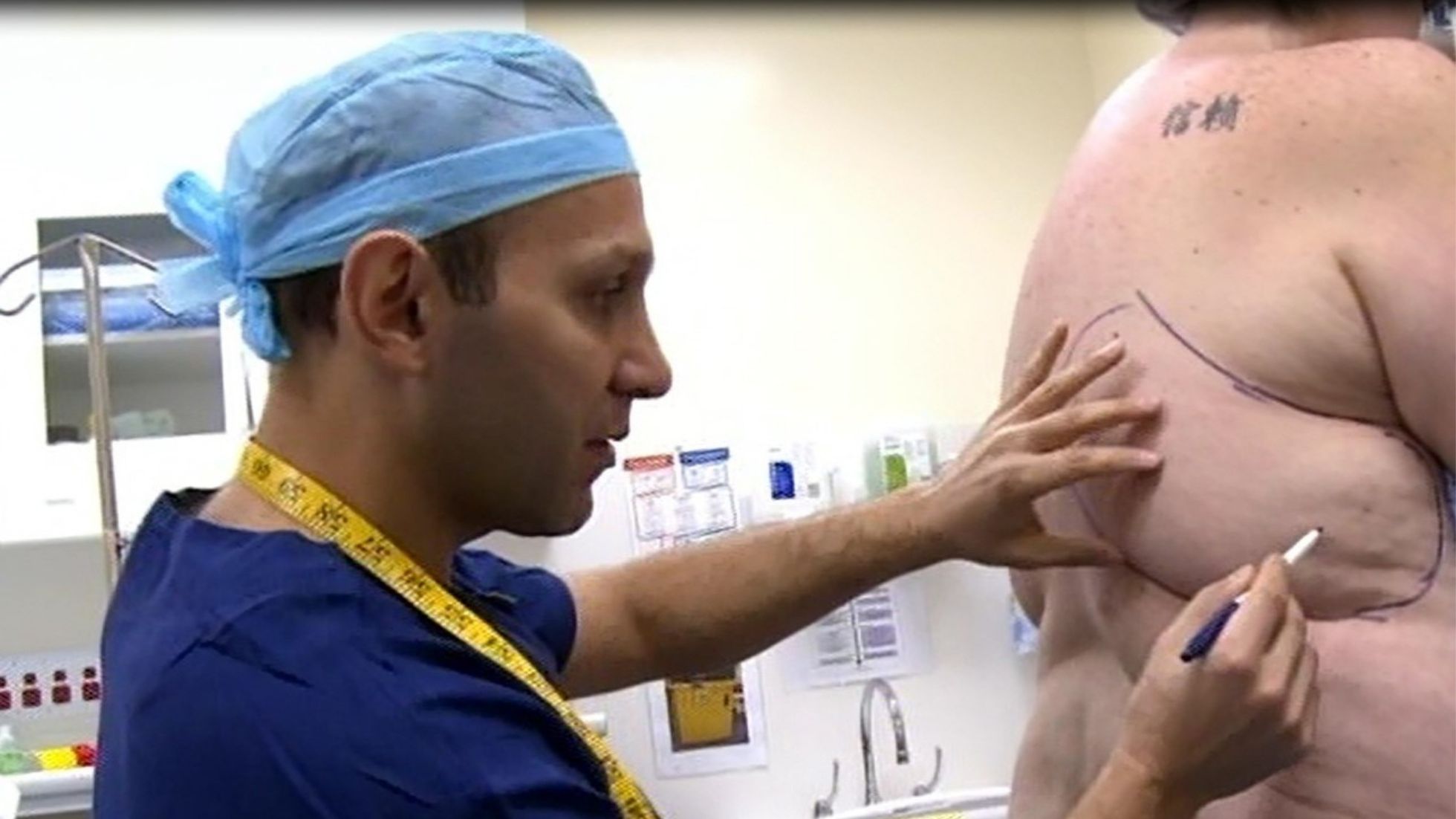
Interviewer: How do you help patients feel confident about safer alternatives?
Dr Laith Barnouti: I explain how alternatives can still achieve balanced and natural results. I show how these choices suit their body and goals. Clear communication helps patients feel supported. Confidence comes from understanding that safety and appearance can work together.
Interviewer: What message would you like patients to remember about cosmetic trends?
Laith Barnouti: Trends are temporary, but health is lasting. Patients should ask questions and seek advice from qualified specialists. Choosing safety leads to better experiences and outcomes. Cosmetic surgery should support wellbeing, not compromise it.
Interviewer: Thank you for sharing your perspective, Dr Barnouti.
Dr Laith Barnouti: Thank you. I hope this encourages patients to think carefully and choose care that protects their health first.