
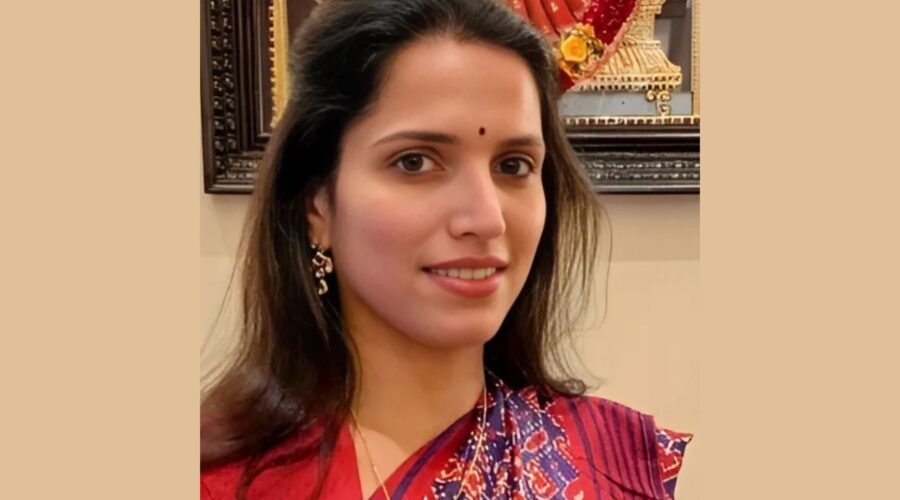
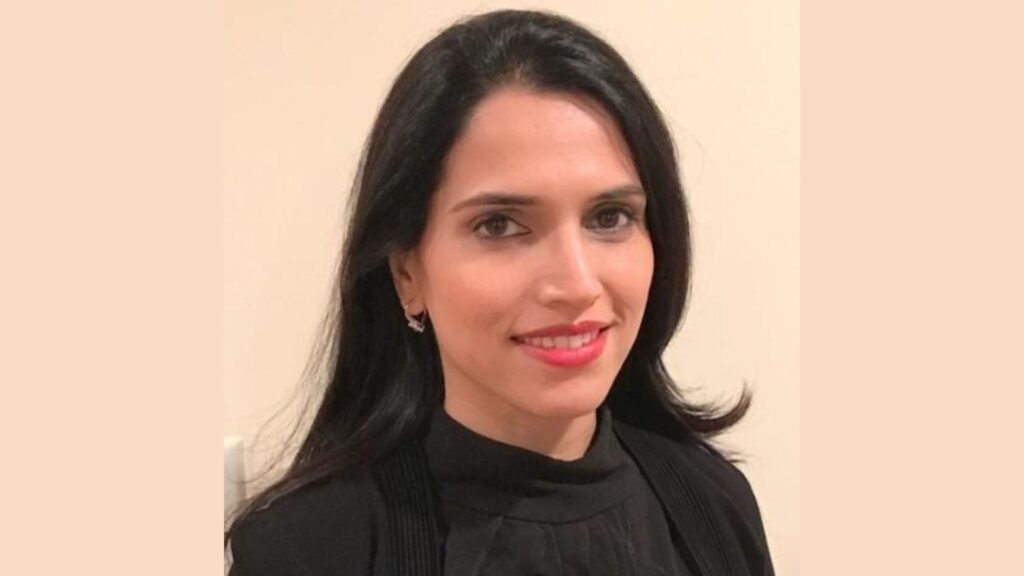
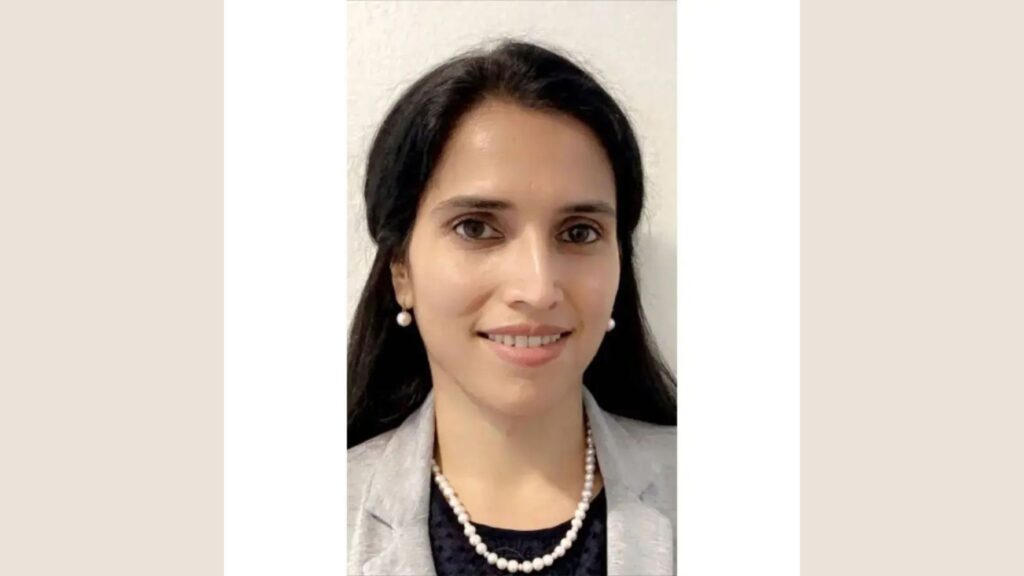
Today, we sat down with Deepa Karthik NJ, a passionate Program Manager and Executive Director of the HinduVote project, an initiative of HinduPACT. Balancing her work in civic engagement with leadership in the pharma and finance sectors, Deepa Karthik NJ brings a unique blend of public service and corporate expertise. Her mission centers on empowering communities through education, advocacy, and active youth participation.
In our discussion, Deepa Karthik NJ highlighted how thoughtful planning, collaborative effort, and ongoing engagement can create meaningful and lasting impact. For her, true leadership is about listening, understanding, and taking purposeful action to help communities thrive.
Interviewer: Welcome, Deepa Karthik NJ. It’s great to have you here today. Can you start by telling us what inspired your journey in community work?
Deepa Karthik NJ: The journey began with a deep desire to help people connect, grow, and support one another. Seeing how knowledge can transform lives motivated me to take action. I wanted to create spaces where people feel heard and valued. Every project I work on is built with the idea that small changes can lead to big impacts, especially when the whole community is involved and works together toward shared goals.
Interviewer: How has education helped in your own life and career?
Deepa Karthik NJ: Learning opened doors I never thought possible. It gave me the ability to communicate effectively, understand different perspectives, and solve problems creatively. Education also taught me discipline and patience, which are important in both work and community projects. It allowed me to adapt to challenges and learn from mistakes. Most importantly, it gave me the confidence to take on leadership roles and encourage others to believe in their own abilities.
Interviewer: What role does civic awareness play in community building?
Deepa Karthik NJ: Civic awareness helps people understand how decisions are made and how they can influence those decisions. When communities know how local systems work, they can speak up about their needs and ideas. It encourages more people to vote, volunteer, and take part in community activities. Civic awareness also builds trust between leaders and the people they serve, creating a stronger connection and a sense of shared responsibility for the community’s future.

Interviewer: How can young people get involved in making a difference?
Deepa Karthik NJ: Young people can start by volunteering their time for local causes they care about. Joining clubs, youth groups, or community projects is a great way to learn and connect with others. They can also use social media to raise awareness about important issues. Even small actions, like helping at events or supporting local charities, can make a big difference. Most importantly, they should believe that their voice and efforts truly matter.
Also Read :- Dr. Barbara Knox Talks About Child Abuse and The Role Of Community
Interviewer: What challenges do you see in getting people involved in community activities?
Deepa Karthik NJ: Many people feel they don’t have enough time or believe their efforts won’t make a difference. Others may not know how to get started or where to find opportunities. Sometimes there’s also a lack of trust in leadership. Overcoming these challenges means creating simple, welcoming ways to participate, showing the impact of even small actions, and building relationships where people feel valued, respected, and motivated to keep contributing over time.
Interviewer: How do you approach leadership in your projects?
Deepa Karthik NJ: Leadership for me is about listening first and speaking second. It’s important to understand the needs, ideas, and challenges people face before making decisions. I try to lead by example, showing commitment, honesty, and consistency. I also encourage collaboration because the best results come from teamwork. By giving others a chance to lead in smaller roles, we create future leaders who will continue to strengthen the community long after the project ends.
Interviewer: What are the most important skills for community leaders today?
Deepa Karthik NJ: Communication is key, being able to share ideas clearly and listen to others. Problem-solving and adaptability are also important because situations can change quickly. Empathy helps leaders connect with people on a personal level. Organizational skills keep projects on track. Lastly, having a positive attitude inspires others and creates an environment where people feel safe to share their thoughts and take part in activities without fear of being ignored or judged.
Interviewer: How do you ensure your projects have a lasting impact?
Deepa Karthik NJ: Lasting impact comes from involving the community at every stage, from planning to execution. When people take ownership, they are more likely to maintain the results. I focus on creating programs that build skills and knowledge so that even when the project ends, individuals can keep applying what they’ve learned. Partnerships with schools, local groups, and organizations also help keep the work alive and growing beyond the initial effort or funding.
Interviewer: What role does culture play in community building?
Deepa Karthik NJ: Culture shapes our values, traditions, and the way we connect with each other. Embracing different cultures in a community creates understanding and reduces misunderstandings. Cultural events bring people together, giving them a chance to share stories, food, music, and traditions. This helps build trust and respect. When people feel their culture is valued, they are more willing to participate and work toward a shared vision of a strong, united community.
Interviewer: How can communities balance tradition and modern needs?
Deepa Karthik NJ: The key is open conversation. Respect for tradition is important, but we must also be willing to adapt to new challenges and opportunities. Communities can find creative ways to keep traditions alive while embracing new tools, technologies, and ideas. By listening to different generations and perspectives, we can make decisions that honor the past while preparing for the future, ensuring growth without losing the values that make a community unique.
Interviewer: How do you measure success in your work?
Deepa Karthik NJ: Success isn’t only about numbers. While attendance or participation rates are important, real success is when people feel empowered to take action themselves. It’s seeing someone gain the confidence to speak up at a meeting, lead a project, or help a neighbor. Success also means lasting change, when knowledge, skills, and relationships continue to grow even after the program ends. The most rewarding sign of success is a community that feels stronger and more connected.
Interviewer: What advice do you have for someone starting in community service?
Deepa Karthik NJ: Start small and be consistent. You don’t have to solve every problem at once, pick one cause that matters to you and learn about it. Get involved in simple ways, like attending events or helping with tasks. Build relationships with people in your community and learn from them. Stay patient, because change takes time. Most importantly, focus on listening and understanding before acting, so your efforts are truly meaningful and helpful.
Interviewer: How do you encourage teamwork in your projects?
Deepa Karthik NJ: Teamwork grows when people feel respected and their ideas matter. I make sure everyone knows their role and how it contributes to the bigger picture. Regular check-ins help keep communication open. Celebrating small wins keeps motivation high. I also encourage people to support each other, not just focus on their own tasks. When people feel like they belong to a group with a shared purpose, they work better together and achieve more.
Interviewer: What is the role of mentorship in community development?
Deepa Karthik NJ: Mentorship gives guidance, support, and encouragement to those who are learning. A mentor can help someone avoid mistakes, grow skills faster, and build confidence. In community work, mentorship ensures that knowledge and leadership are passed on to new people. This way, the work continues even when the original leaders step back. Mentorship also creates strong bonds between people, fostering trust, cooperation, and a sense of shared responsibility for the community’s future.
Interviewer: How do you involve children in community work?
Deepa Karthik NJ: Children can be involved in simple, age-appropriate activities like planting trees, helping at local events, or creating art for community spaces. By introducing them to these activities early, they learn about responsibility, kindness, and teamwork. Encouraging them to share ideas makes them feel included. These experiences help them grow into active, caring adults who understand the value of helping others and contributing to the community’s well-being from a young age.
Interviewer: What challenges do immigrant communities face in civic engagement?
Deepa Karthik NJ: Immigrant communities often face language barriers, lack of information, or uncertainty about local laws and systems. They may feel excluded or unsure of how to participate. To address this, it’s important to provide clear, accessible information in different languages, create welcoming spaces, and build trust through consistent outreach. When immigrants feel included and supported, they are more likely to take part in civic activities and share their unique perspectives and skills.
Interviewer: How do you use technology in your community work?
Deepa Karthik NJ: Technology makes it easier to reach more people quickly. Social media helps spread information and organize events. Online platforms allow for virtual meetings, making it easier for busy people to participate. Digital tools can also help gather feedback through surveys or polls. While technology is powerful, it’s important to combine it with face-to-face interactions to build real relationships, because human connection is still the heart of effective community work.
Interviewer: What keeps you motivated during tough times?
Deepa Karthik NJ: In difficult moments, I remind myself of the positive changes I’ve seen and the people who have benefited from the work. Even small successes, like a young person finding their voice or a group coming together to solve a problem, inspire me to keep going. I also lean on my support network of friends, family, and colleagues. Their encouragement and shared commitment to making a difference help me stay focused and hopeful.
Interviewer: How can local governments better support community initiatives?
Deepa Karthik NJ: Local governments can provide funding, resources, and spaces for community activities. They can also create programs that encourage participation, like training for volunteers or partnerships with schools and organizations. Clear communication about opportunities and decisions builds trust. Listening to community feedback is key. When governments and communities work together, projects become stronger, more inclusive, and more likely to succeed in creating lasting positive changes for everyone involved.
Interviewer: How important is collaboration with other organizations?
Deepa Karthik NJ: Collaboration allows for sharing resources, skills, and knowledge, which strengthens the impact of any project. Different organizations bring unique strengths; one may have strong outreach, another may offer technical skills, and another may have funding. Working together prevents duplication of effort and reaches more people. It also encourages innovation because different perspectives lead to new ideas. When organizations unite for a common goal, the community benefits from a more powerful and effective effort.

Interviewer: How do you handle disagreements within a community project?
Deepa Karthik NJ: Disagreements are natural when people care deeply about a project. The key is to listen to all sides and understand the reasons behind each viewpoint. I encourage open, respectful conversations where everyone feels safe to share their thoughts. Finding common ground and focusing on shared goals often helps resolve differences. Sometimes compromise is necessary, but it should never mean losing sight of the project’s purpose or the community’s best interests.
Interviewer: What long-term changes do you hope to see in communities you work with?
Deepa Karthik NJ: I hope to see communities where people feel confident to speak up, take part in decisions, and help each other without hesitation. I want to see stronger bonds between different groups, where diversity is seen as a strength. Long-term, I hope education, civic awareness, and active participation become part of everyday life, so communities continue to grow, adapt, and thrive on their own, with new leaders stepping forward when needed.
Interviewer: What final message would you like to give to our audience?
Deepa Karthik NJ: Every person has something valuable to contribute, no matter how small it seems. The first step is to get involved, learn, listen, and take action. Change begins with simple acts of kindness, a willingness to understand others, and the courage to stand up for what is right. Education and awareness are the foundation, but it’s the collective effort of people working together that truly builds strong, lasting communities for everyone.
Interviewer: Thank you, Deepa Karthik NJ, for sharing your insights and inspiring us today.
Deepa Karthik NJ: Thank you for having me. It’s been a pleasure to share my thoughts, and I hope this inspires more people to take part in building stronger communities.