
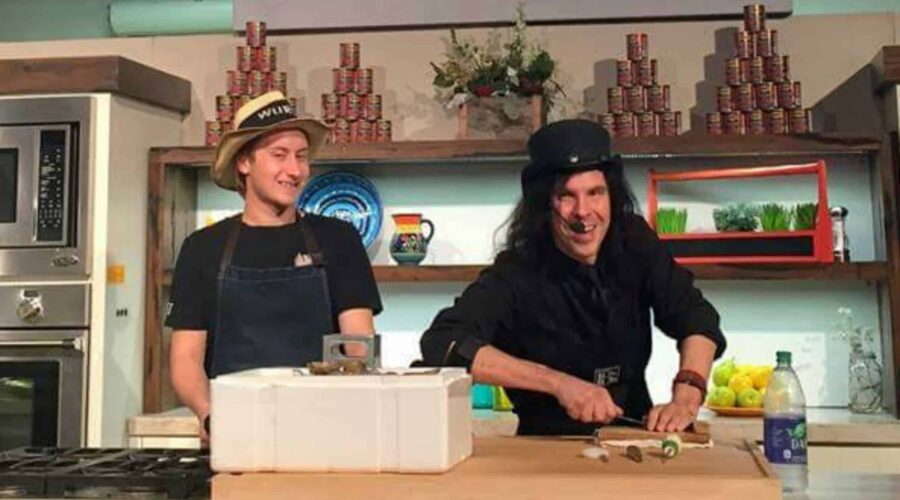
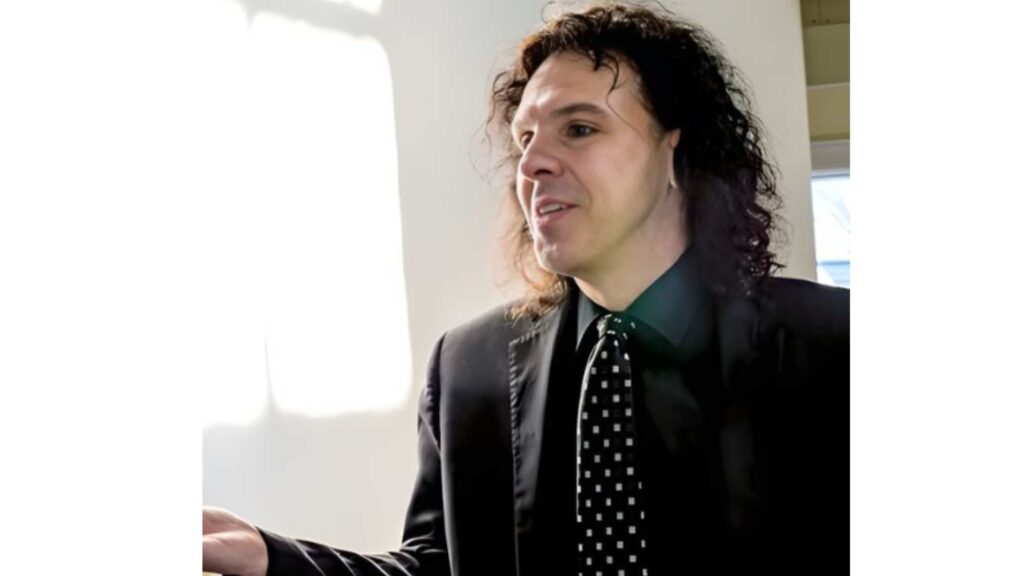
Anthony Wing, founder of Shuck The World, has earned a reputation for creating vibrant oyster catering experiences across Canada. In this interview, he explains how live shucking sparks immediate connection, turning guests into a captivated audience. Anthony Wing describes how the performance of opening oysters in real time draws people together, inviting conversation and curiosity. Anthony Wing highlights that a great oyster experience goes beyond flavor; it’s about the energy, presentation, and shared moment. When skill and enthusiasm come together, the simple act of shucking becomes a powerful way to bring people closer.

Interviewer: Welcome, Anthony Wing! Can you introduce yourself and share what live shucking means to you?
Anthony Wing:- Live shucking is the art of opening oysters in front of an audience, turning a simple act into a shared experience. It creates a connection because it invites people into the process, transforming a meal into a moment. Guests witness skill, craft, and care, and that transparency builds trust. When you see the hands behind the food, it becomes personal, sparking conversation and curiosity. Suddenly, a plate of oysters becomes a memory.
Interviewer: What emotions do you notice people feel during live shucking?
Anthony Wing:- People often feel a mix of excitement and curiosity at first. As the shucking begins, they become more engaged and relaxed, almost like watching a performance. Many feel awe when they see the oyster open smoothly, and are surprised at how fresh it tastes. There’s also a sense of community when strangers start talking, sharing opinions, and cheering each other on. The experience becomes less about food and more about connection.
Interviewer: Anthony Wing, how does live shucking change the energy of an event?
Anthony Wing:- Live shucking changes an event from static to dynamic. Instead of guests just eating, they become part of the moment. The sound of the shell cracking, the quick movements, and the reveal of the oyster create excitement. People gather around, ask questions, and interact with each other. It adds a theatrical element that lifts the atmosphere, turning a normal gathering into a memorable celebration where the food becomes the focal point.
Interviewer: Anthony Wing, what skills are essential for live shucking in front of people?
Anthony Wing:- Confidence and precision are key. You need steady hands and sharp focus to open oysters safely and quickly. Timing is crucial. Moving too fast can feel rushed, too slow can feel awkward. Communication skills matter too, because you’re also hosting. You need to explain the process clearly and engage the crowd. Above all, you must respect the oysters, ensuring each one is handled with care and served perfectly.
Interviewer: Why does watching a craft being performed create intimacy?
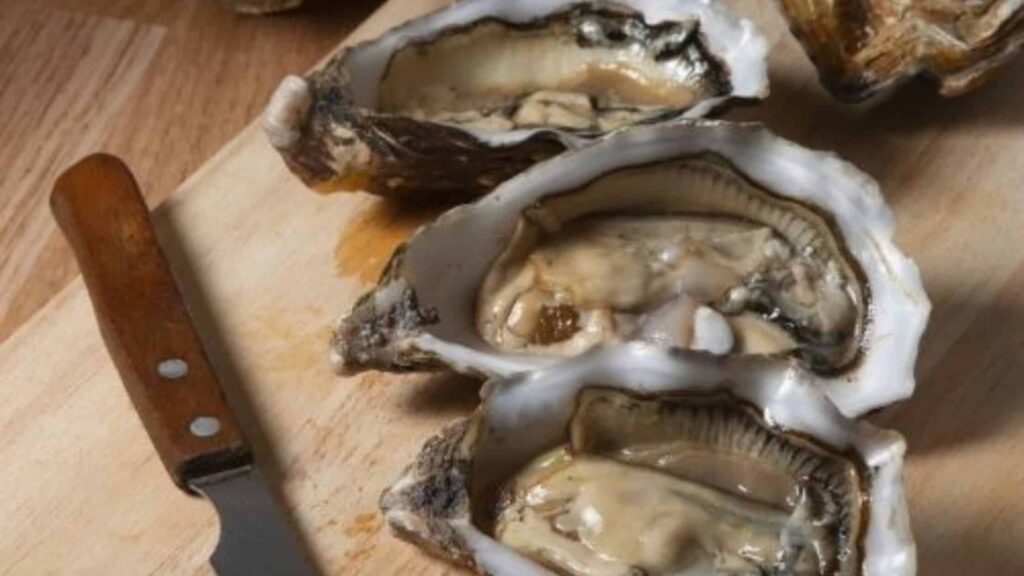
Anthony Wing:- Watching a craft live makes people feel included in something real. It breaks down the barrier between the chef and the guest. When people see the skill, they appreciate the effort and care involved. It creates trust, because nothing is hidden behind a kitchen door. That transparency makes the moment feel genuine. Guests feel connected not only to the food, but to the person preparing it, and to everyone sharing the experience.
Interviewer: Anthony Wing, what kinds of questions do guests usually ask during live shucking?
Anthony Wing:- Guests often ask about oyster origins, flavors, and how to identify freshness. Many are curious about shucking techniques and how to open the shell without breaking it. Some ask for pairing suggestions or whether oysters can be eaten raw safely. Others simply ask for recommendations based on taste preferences. These questions spark deeper conversation and make people feel more confident trying new things. It’s a moment where curiosity becomes a connection.
Interviewer: What’s the most memorable reaction you’ve seen from someone trying oysters live?
Anthony Wing:- The most memorable reactions are always surprise and delight. People who think they won’t like oysters often end up loving them when they see how fresh and clean they taste. The moment when someone tries their first oyster, and their eyes light up, is unforgettable. It’s the instant shift from hesitation to excitement. That reaction proves how powerful live experiences can be, turning a skeptic into a fan in a single bite.
Interviewer: How does live shucking educate people about seafood?
Anthony Wing:- Live shucking is a hands-on lesson in seafood culture. It teaches people how oysters are harvested, how to tell freshness, and why quality matters. Guests learn about the different textures and flavors that vary by region. It also dispels myths about raw seafood being unsafe when handled properly; it’s a delicious, safe option. The educational aspect makes people feel more confident and adventurous with their food choices.
Interviewer: Anthony Wing, how does live shucking build confidence in guests?
Anthony Wing:- Live shucking makes guests feel more confident because they understand the process. They see that oysters can be opened safely and served cleanly. When they learn about flavor profiles and pairing tips, they feel empowered to choose what they like. The experience removes the mystery and intimidation. Guests often leave feeling more knowledgeable and excited to try oysters again, either at a restaurant or at home.
Also Read :- Steven A Adinolfi Says, “Sustainable Growth Starts with Smart Strategy.”
Interviewer: Anthony Wing, is live shucking more about performance or food?
Anthony Wing:- Live shucking is a blend of both. The performance element draws people in, creating excitement and anticipation. But the food remains the core. The performance enhances the taste by adding context, energy, and connection. It turns a meal into a story. Guests remember not just the oyster, but the moment it was served. The show supports the food, and the food gives meaning to the show.
Interviewer: How important is storytelling in live shucking?
Anthony Wing:- Storytelling is essential. It connects the oyster to its origin, the sea, and the people behind it. Sharing stories about harvest, flavor, and culture adds depth to the experience. It makes guests feel like they’re part of a bigger narrative. Storytelling also makes the moment memorable, because people remember stories more than facts. It transforms oysters into a shared story that guests can take home with them.
Interviewer: Anthony Wing, how does live shucking build a sense of community at events?
Anthony Wing:- Live shucking brings people together naturally. Guests gather around the shucking station, and the shared curiosity creates conversation. People often bond over taste preferences, recommendations, and first-time experiences. It encourages strangers to interact and connect. The shared excitement creates a friendly atmosphere, and the act of tasting together builds a sense of belonging. It turns an event into a communal celebration centered around food and connection.

Interviewer: What challenges come with live shucking, and how do you handle them?
Anthony Wing:- The biggest challenges are safety and consistency. You must handle sharp tools carefully and maintain a clean workspace. It’s also important to keep the pace steady without rushing. Environmental factors like weather, lighting, or noise can affect the experience. The solution is preparation quality tools, a clear workflow, and a strong focus. When the shucker stays calm and confident, guests feel calm too. It’s all about controlled energy.
Interviewer: Anthony Wing, how do you ensure safety while shucking in front of guests?
Anthony Wing:- Safety begins with proper tools and technique. A strong, reliable shucking knife and a protective glove are essential. The work area must be clean and stable, with no distractions. Guests are kept at a safe distance to avoid accidents. The shucker stays focused and avoids rushing. Hygiene is also crucial; regular sanitization and proper storage keep oysters fresh. When safety is prioritized, the experience feels professional and trustworthy.
Interviewer: Anthony Wing, how do you see live shucking evolving in the future?
Anthony Wing:- Live shucking will likely become more immersive and interactive. Technology may play a role in live-streaming events, showing oyster origins, or providing real-time flavor guides. But the core will remain the same: connection. People will continue seeking authentic experiences that combine food, culture, and performance. The trend will grow as more events focus on interactive dining. Live shucking will become a standard feature at upscale gatherings, festivals, and culinary experiences.
Interviewer: Why is live shucking important for modern food culture?
Anthony Wing:- Live shucking brings authenticity back into dining. In a world of fast food and packaged meals, it highlights craftsmanship and freshness. It reminds people where food comes from and why quality matters. It also celebrates local seafood culture, supporting sustainable harvesting and small producers. Live shucking creates a direct connection between consumer and source, promoting appreciation and responsibility. It’s a cultural shift toward mindful eating and shared experiences.
Interviewer: Anthony Wing, what’s your philosophy behind sharing oysters with people?
Anthony Wing:- The philosophy is simple: food is meant to be shared, experienced, and celebrated. Oysters are a symbol of the sea’s richness, and sharing them connects people to nature and to each other. The goal is to make guests feel welcome, curious, and adventurous. It’s not just about taste, it’s about the moment. When people share oysters, they share a story, a laugh, and a memory that lasts longer than the meal.
Interviewer: What do guests take away from a live shucking experience?
Anthony Wing:- Guests leave with more than a full plate; they leave with confidence, curiosity, and a memorable story. They learn about oysters, taste new flavors, and feel more connected to food culture. Many gain a new appreciation for the craft and the ocean. The experience often inspires them to try oysters again or share the experience with others. It becomes a moment they remember and talk about long after the event ends.
Interviewer: Anthony Wing, what advice would you give to someone hosting live shucking at their event?
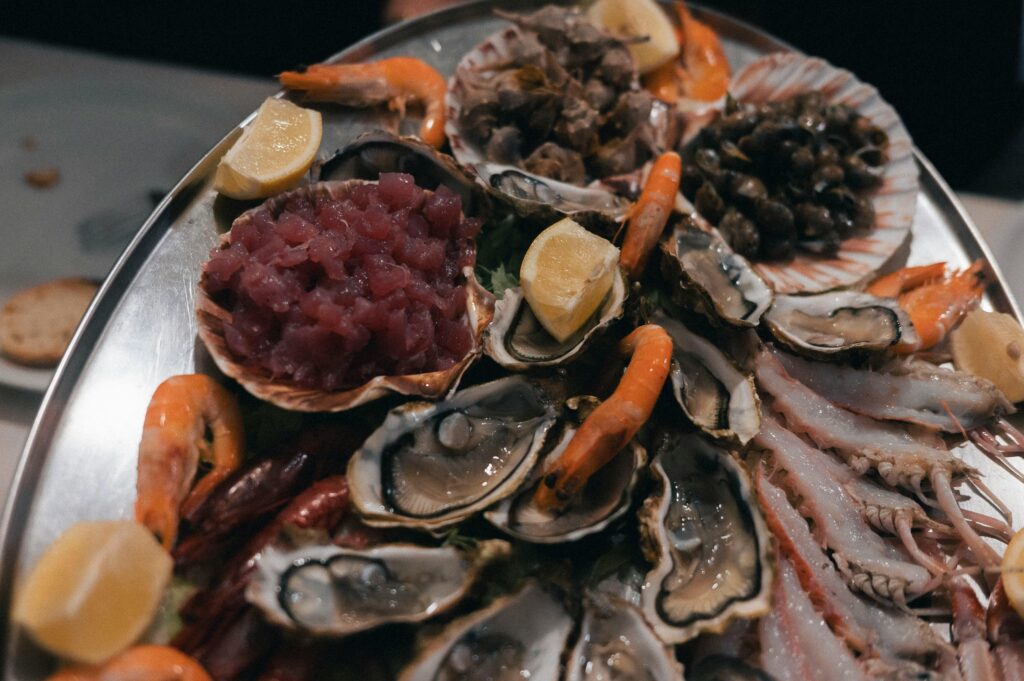
Anthony Wing:- Plan carefully and keep the experience engaging. Choose high-quality oysters and ensure proper storage. Set up a clean, well-lit station with enough space for guests to gather safely. Have a clear flow and pace, and be ready to answer questions. Add a few fun elements like pairing suggestions or a quick story about the oysters. Most importantly, keep it friendly and interactive. Your energy sets the tone for the whole event.
Interviewer: Anthony Wing, what final message would you like to leave about live shucking and connection?
Anthony Wing:- Live shucking is more than a culinary technique; it’s a bridge between people. It turns food into an experience and strangers into friends. When you watch an oyster being opened, you’re witnessing skill, tradition, and the beauty of the sea. That moment creates instant connection, because it’s real, shared, and unforgettable. If you want to feel closer to others, try something new together. A single oyster can spark a lifetime of memories.